Head office: 316 Le Van Sy, Tan Son Hoa Ward, Ho Chi Minh City, Vietnam
 Hotline : 0911 888 247 - 0888 999 247
 Email : info@247power.vn

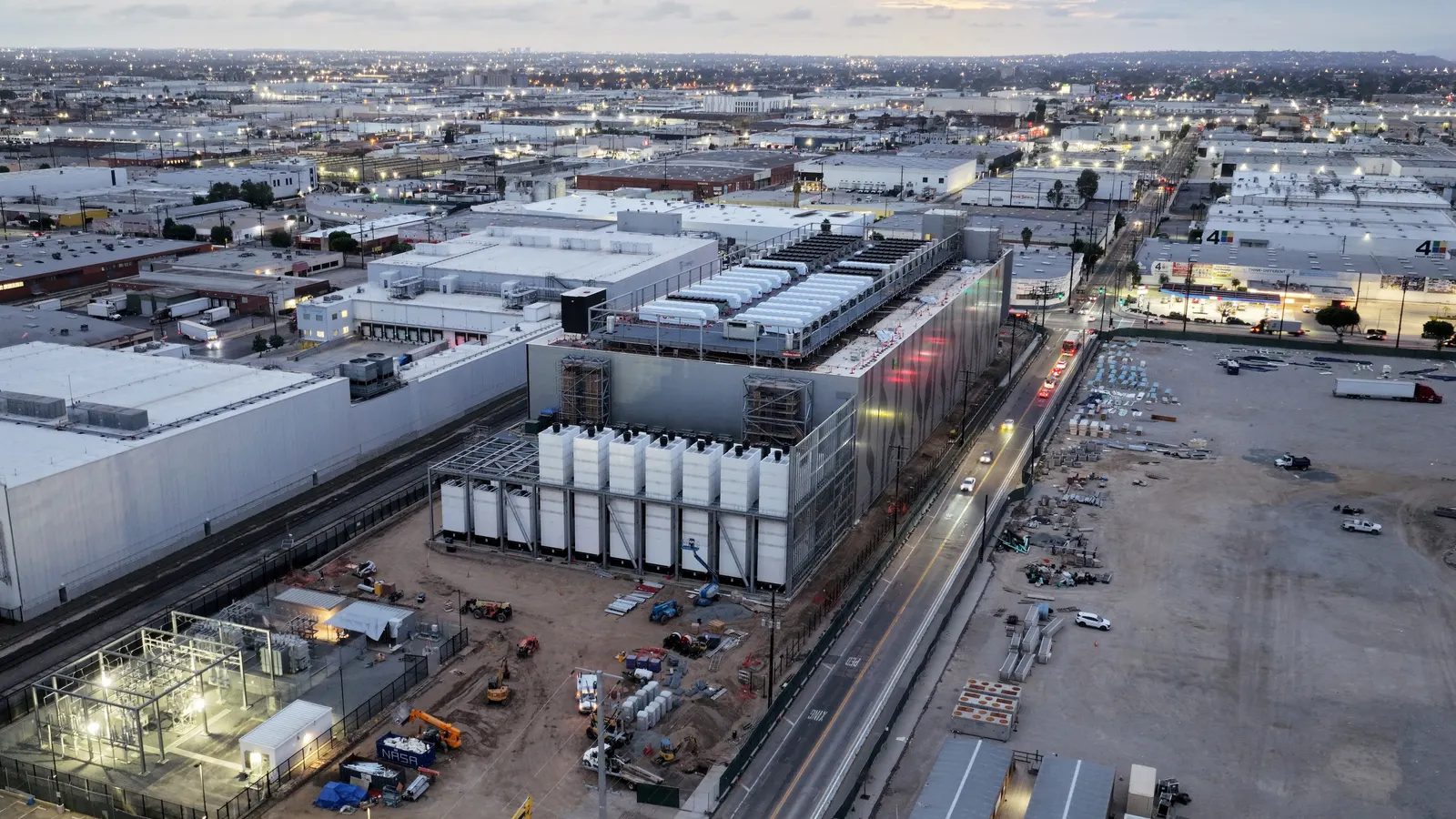
Backup generators for data centers no longer just sit idle waiting for an outage. According to an opinion piece by Inlyte Energy experts in Utility Dive, the US Department of Energy has repeatedly allowed backup generation at large loads to be called on during grid stress: 13 times in 2026, including 7 times in the PJM region. The authors worry that an emergency measure could become routine.
The original piece was published on 10 November 2026 and written by Jon Wellinghoff (former FERC chairman), Antonio Baclig and Ben Kaun. Note that this is an opinion piece, not investigative reporting: Mr Baclig is chief executive and Mr Kaun is chief commercial officer of Inlyte Energy, which develops iron-sodium batteries, and Mr Wellinghoff is on the company’s advisory board. The authors therefore have a commercial interest in replacing diesel generators with stored energy. All figures below are those given by the authors.
How are data center backup generators being used in the US?
- January 2026: the US Department of Energy (DOE) allowed grid operators to use up to 35 GW of idle backup generation at large facilities. Similar emergency authority has been used 13 times this year, 7 of them in the PJM region.
- 13–16 October 2026: during an unseasonable warm spell, when many power plants were offline for maintenance, DOE issued an emergency order at PJM’s request. It allowed PJM to direct backup generators at large loads such as data centers to run, to avoid blackouts.
- 2 July 2026: PJM recorded its highest-ever unrestricted demand, 168 GW. In Northern Virginia’s Data Center Alley, utility executives said they came within minutes of needing to call on data center backup generators.
Emissions and noise: the price of regular diesel use
- Emissions: according to a study cited in the piece, if Northern Virginia data centers ran their diesel generators up to permitted limits, the region’s total nitrogen oxide emissions would rise by 45%. The areas most exposed tend to have lower household incomes.
- Noise: during a previous emergency in Loudoun County, residents described the sound of generators running continuously as being like airplanes landing for more than 24 hours.
- Regulation: according to the piece, Virginia has directed environmental regulators to review the cumulative impact of data center backup generation and to evaluate alternatives, including on-site or off-site battery storage, load flexibility and fuel cells.
What do the authors propose?
They note that lithium-ion batteries installed today typically last only 2 to 4 hours, so for longer events diesel remains the default. They propose long-duration energy storage (24, 48 or 72 hours) to replace diesel backup. This is the authors’ view, and the piece gives no cost comparison.
Where does Vietnam fit in this story?
The Utility Dive piece is about the US grid, not Vietnam. At home, the Ministry of Industry and Trade is consulting on a draft circular amending Circular 60/2025, proposing production electricity prices for data center operations (Dan Tri, 21 November 2026). That report does not mention generators. The two stories only point the same way: data centers are growing and electricity demand is rising with them. In Hanoi, EVNHANOI has also approached customers with generators to coordinate on-site power; see backup generators in Hanoi and 2027 power supply.
247Power’s view: what should Vietnamese businesses take from this?
This is 247Power’s opinion, not information from Utility Dive or any regulator. From the sources we read, backup generators in Vietnam have not been put in a situation like the US one, but the story raises several points worth considering before buying or upgrading a unit:
- Ask about the rating if the unit may have to run longer than planned. A unit that runs only during outages is different from one that must run for many hours. See Prime and Standby generator ratings.
- Plan for emissions, noise and fuel at the design stage of the generator room, because long running hours make the first two more noticeable. You can ask for design, construction and installation advice early.
- Maintain and load-test on a schedule. A unit that has not run for a long time is more likely to fail exactly when needed. See generator maintenance.
- Know your real load. The method is in how to calculate generator capacity.
- Battery storage and generators are not mutually exclusive. Batteries suit short periods, while for many hours of supply a generator is still a common choice today. Weigh the options against your site’s real outage duration.
Businesses considering an investment can look at 247Power’s industrial generators.
Written by the 247Power editorial team with the help of AI tools. Figures were checked against the sources above. The assessment section is 247Power’s opinion.